Dr. Mariam AlEissa promoted to Adjunct Professor
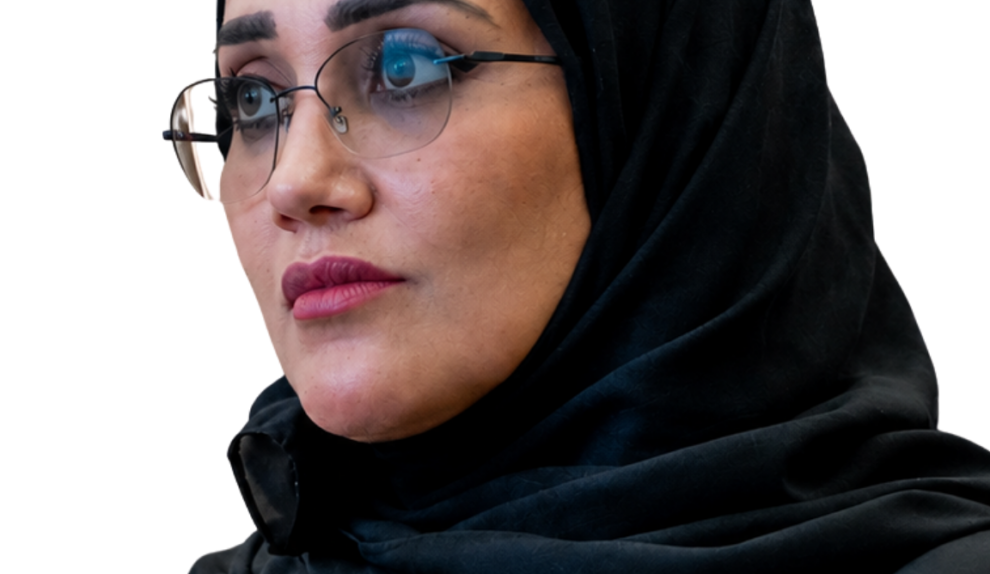
Former Ibn Khaldun Fellow, Dr. Mariam AlEissa, has been promoted to Adjunct Professor at Alfaisal University in Riyadh, Saudi Arabia. To celebrate this accomplishment, we reached out to Dr. AlEissa for comment:
"My time at MIT through the Ibn Khaldun Fellowship was transformative. Beyond developing my scientific expertise, it shaped an innovation mindset that I continue to apply in my work: thinking about how a discovery can move from the bench to the market and ultimately improve people’s lives. It encouraged me to consider the entire journey from identifying a clinical need and developing a scientific solution to understanding its practical application, scalability, and the policies needed to support its adoption.
The experiences at MIT, the Broad Institute, and Massachusetts General Hospital contributed different, complementary perspectives. Genetic engineering research at MIT strengthened my experimental thinking and my ability to investigate disease mechanisms. My experience at the Broad Institute deepened my analytical approach to complex genetic data, while my time at Massachusetts General Hospital reinforced the clinical perspective: keeping patients’ needs and the relevance of research to care at the centre of scientific inquiry. Together, these experiences helped shape my clinical, research, innovation, and entrepreneurial mindset.
Equally valuable was learning how to work within multidisciplinary teams and navigate complex projects. I became more comfortable asking difficult questions, adapting when evidence challenged my assumptions, and bringing together people with different areas of expertise. This helped me evolve as a researcher and strengthened my approach to leadership, where scientific rigour, collaboration, and a shared purpose are essential.
In Saudi Arabia, I have carried these lessons into my work in healthcare and national health policy. One meaningful example is establishing the molecular genetics laboratory at the Public Health Authority and developing newborn and premarital genetic screening panels that reflect the Saudi population. These efforts connect genetic research with prevention and public health needs. The same mindset informs my work in precision medicine, healthcare AI, and entrepreneurship through Generation Health, as well as my contributions to screening and biobanking policy.
Alfaisal University has provided an important environment in which to build on this foundation through research, teaching, mentoring, and collaboration across medicine and artificial intelligence. With the support of colleagues and university leadership, particularly Professor Khaled AlKattan, I have been able to bring researchers, clinicians, and policymakers together around shared healthcare challenges. My recent promotion to Adjunct Professor marks a meaningful milestone in that journey.
What I value most about my MIT experience is the lasting habit of connecting scientific curiosity with practical impact. It continues to guide how I develop research questions, lead projects, mentor students, and contribute to healthcare in Saudi Arabia."